
eclaireMD Foundation, USA
Keywords: Glucose; Metabolism index; Traveling
Abbreviations: T2D: type 2 diabetes; MI: metabolism index
- INTRODUCTION
During the past seven years (1/1/2012 – 12/31/2018), the author has made 200 trips where more than 98% was by air travel. The breakdown included 77 long-haul travels (39%, >3 hours flying, impacted 2 meals) and 123 short-distance travels (61%, <3 hours flying, impacted 1 meal). The average trip was 13 days.
His health targets are as follows: daily glucose below 120 mg/dL and metabolism index (MI) below 73.5%. This paper discusses the traveling impact on both of his glucose and metabolism (overall health status).
- METHODS
He used GH-Method: math-physical medicine, including simple statistics, big data analytics and his developed Metabolism Index (MI) model to perform this traveling analysis.
- RESULTS
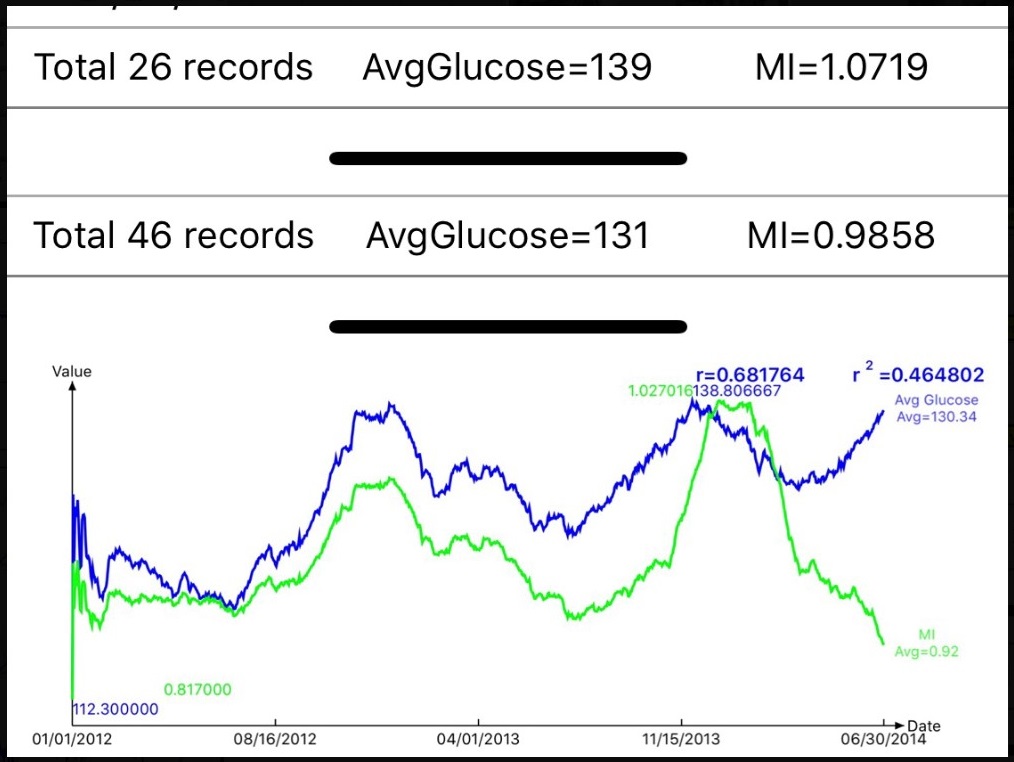
During the period of 1/1/2012 to 6/30/2014, his average long/short glucose and MI during traveling days were 139 / 131 mg/dL and 107% / 99% (unhealthy status), see Figure 1.
During the period of 7/1/2014 to 12/31/2018, his long/short glucose and MI were 126 / 125 mg/dL and 72% / 64% (healthy status), see Figure 2.
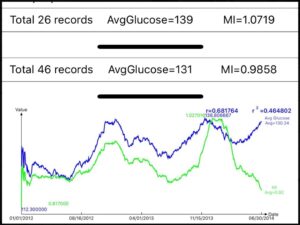
Figure 1: Higher glucose and MI (1/1/2012 – 6/30/2014).
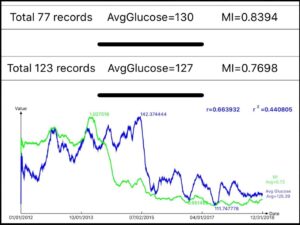
Figure 2: Better glucose and MI (7/1/2014 – 12/31/2018).
In the seven-year period, the average long/short glucose and MI were 130/127 mg/dL and 84% / 77%, see Figure 3.
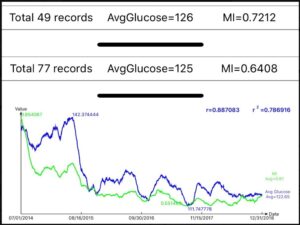
Figure 3: Traveling glucose and MI (1/1/2012 – 12/31/2018).
- CONCLUSION
After 7/1/2014, he was cautious about the food he ate during his travel days and found ways to take ~4,000 post-meal steps within the airport. This dual-improvements are reflected in his lower glucose value of ~126 mg/dL and MI value of below 72%. This analysis results are useful for T2D patients who travels frequently and wants to know traveling’s impact and glucose controlling methods.